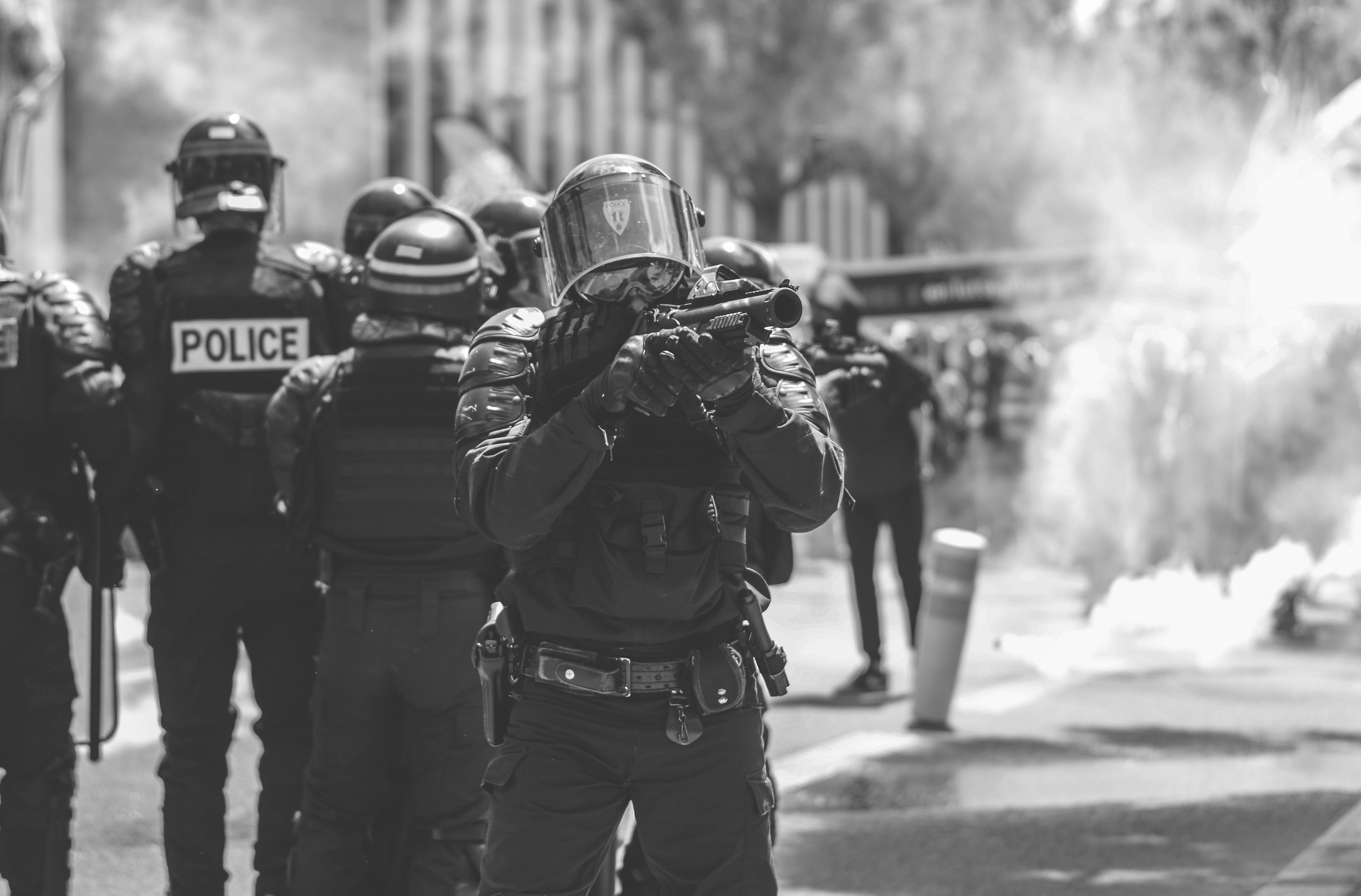
Riot police amid smoke, with a foreground officer aiming a launcher
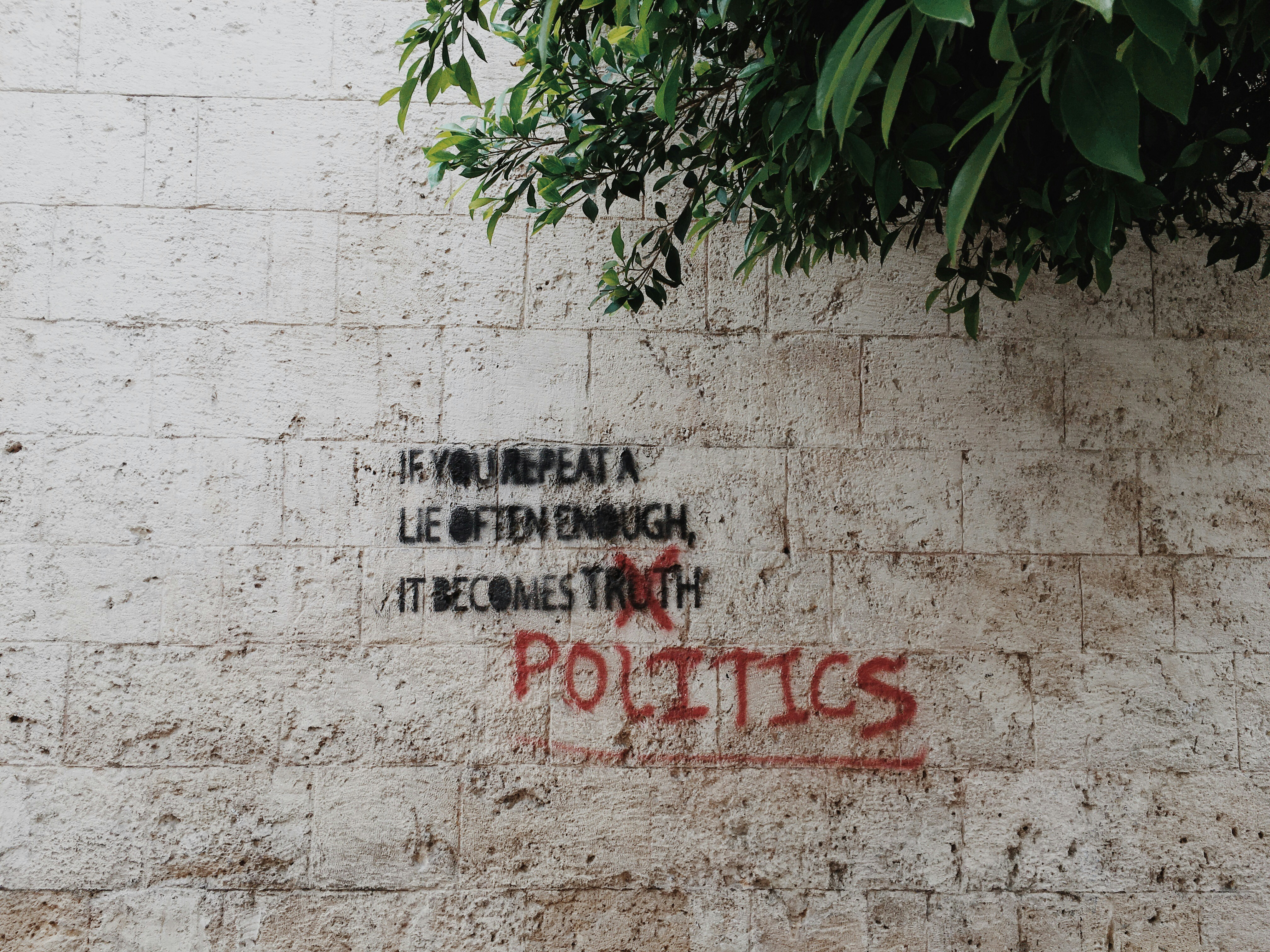
Political graffiti on a stone wall
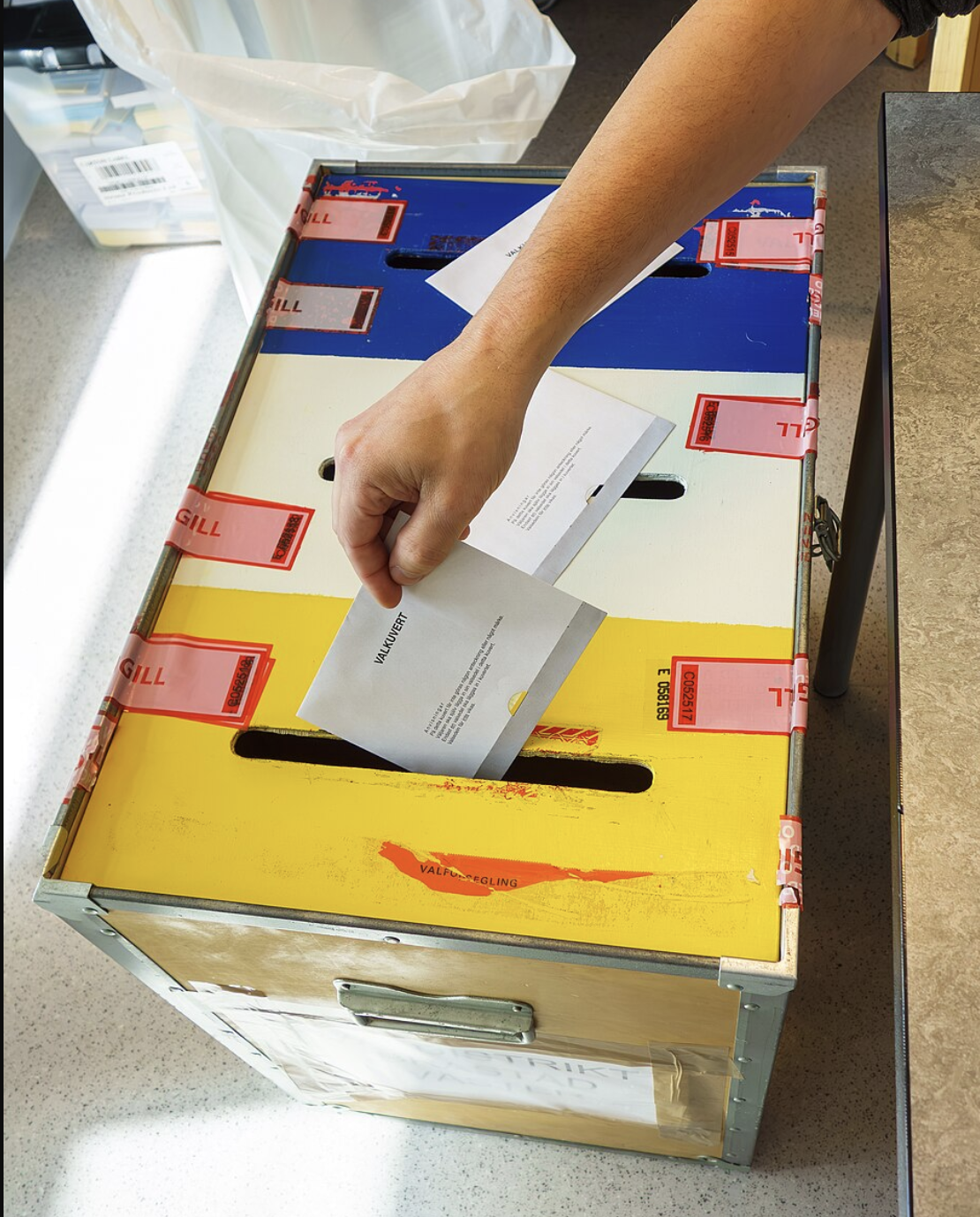
An election official placing an envelope in a Swedish ballot box
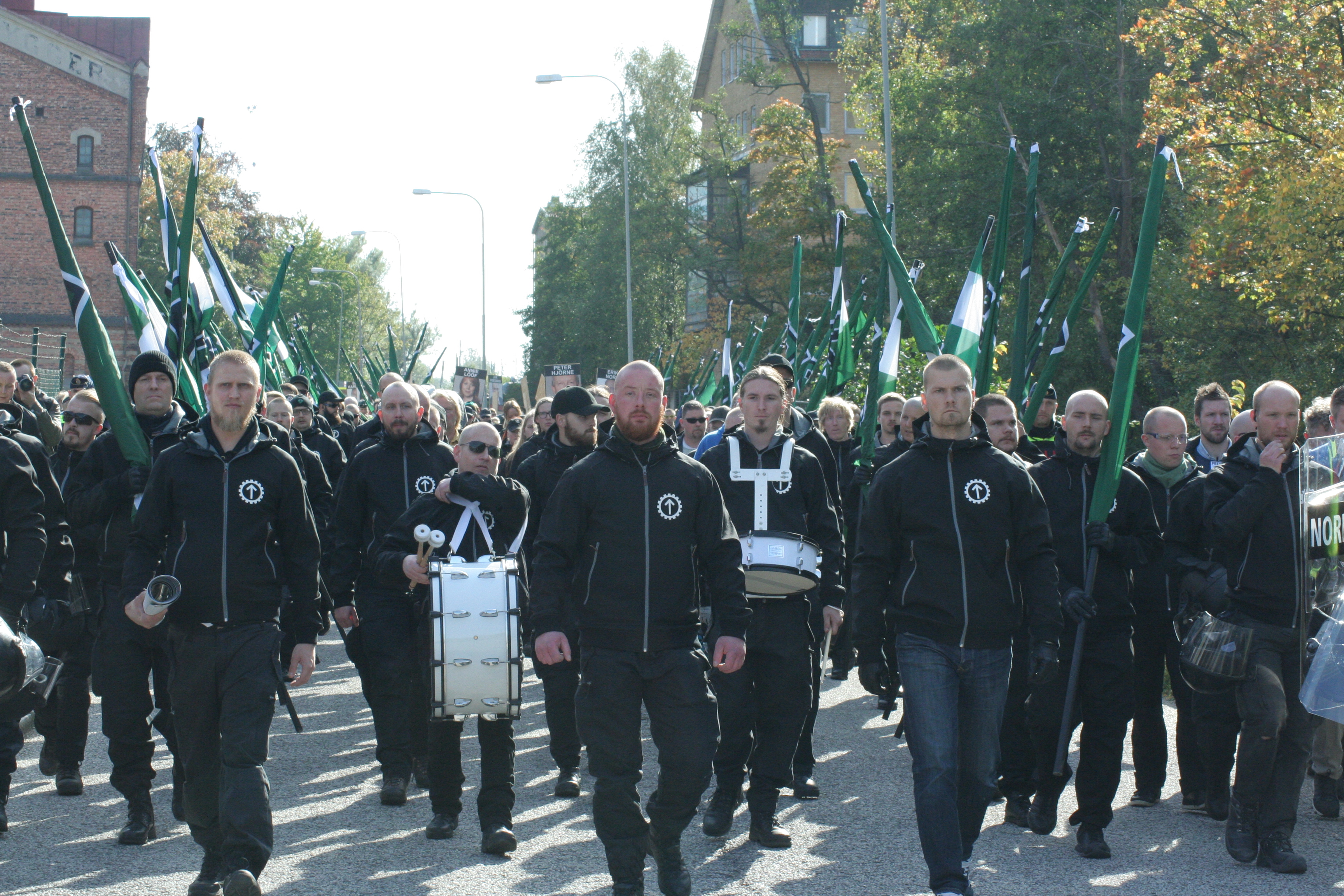
Nordic Resistance Movement members demonstrating in Gothenburg

Violence in
Democracies

Understanding the drivers and consequences
of violence in democracies.

Threats and acts of political violence are a pressing issue across many democracies. Violence against minority groups, harassment of public officials, attacks on politicians, extremist mobilization, and the presence of groups capable of violence affect social and political life well beyond those directly targeted. States’ efforts to contain such threats, through repression and civil rights restrictions, can be used as political tools and themselves reshape democratic governance.

This project asks two questions about what happens to democracy under threat and insecurity. First, under what conditions do citizens accept, or even endorse, political violence? Second, how do violence and threat, once they occur, affect democratic institutions and the norms and attitudes that sustain them – including elections, political representation, and citizens’ participation in and support for democracy?

The project combines survey-experimental evidence from citizens and political elites in established democracies, including the US, the UK, and Sweden, with observational data on political violence, public opinion, and voting behavior.
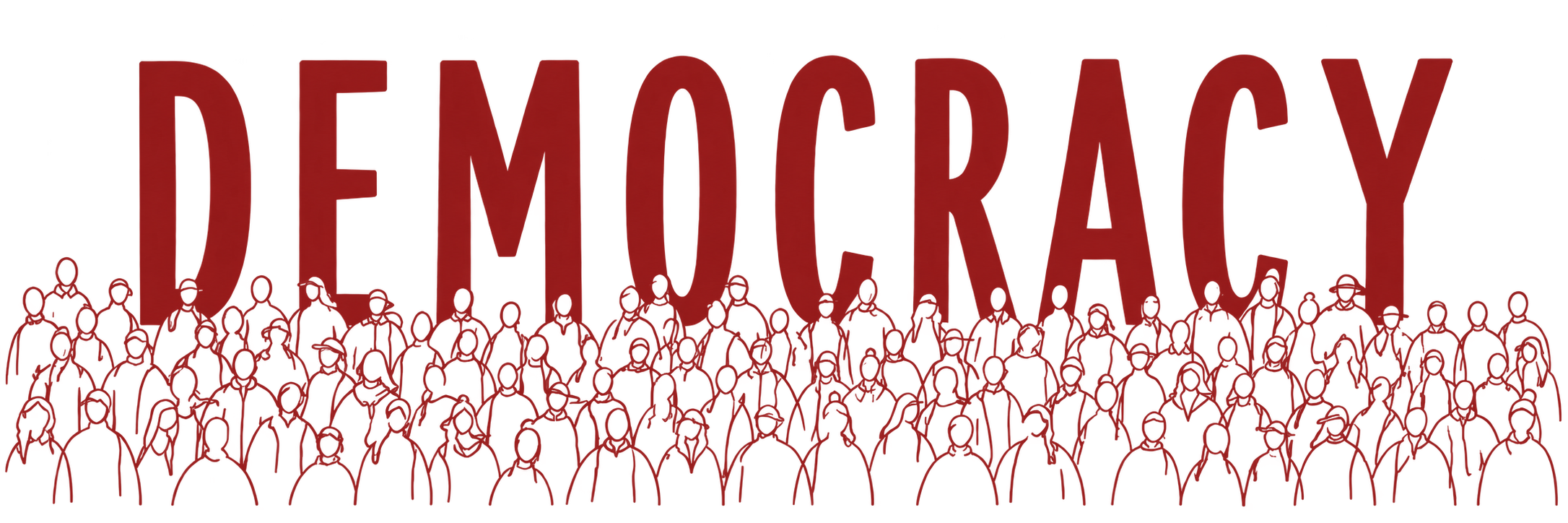
Democracy in red lettering above a crowd drawn in fine red contours
01

Violence in democratic contexts

Why does political violence persist in democracies, and when do citizens accept its use?

Democratic institutions provide ways to resolve political disagreements peacefully. Yet political violence persists within democracies. This theme examines the conditions that make violence possible and permissible, including how citizens’ dissatisfaction with democracy and political elites’ rhetoric shape attitudes towards violence.

02

Threat, insecurity, and democratic commitments

How do violence and insecurity shape citizens’ commitment to democratic principles?

This theme explores how citizens and political elites respond to violence, examining how it can weaken or reinforce support for democratic principles and shape citizens’ political and social attitudes.

03

Participation and representation

How does violence affect who participates in politics and whose voices are represented?

Violence can change both the opportunities and the willingness to participate in politics. This theme examines its consequences for elections, voting behaviour, and political engagement, and what these effects mean for the representation of different groups and interests.

Negative Partisanship and Acceptance of Violence Against Politicians

Hanne Fjelde and Joelle Tasker

Does dislike of a political party make violence against its politicians more acceptable? Using an original survey experiment in the UK, this study compares how attachment to one’s own party and hostility towards other parties shape acceptance of violence against politicians. We also examine how acceptance of violence is influenced by norm violations by the politician and the justification by the perpetrator.

Public evaluations of electoral integrity and preferences for security enforcement in polarized societies

Annekatrin Deglow, Hanne Fjelde and Kathleen Klaus

When elections are contested, do citizens judge disruptive conduct and law enforcement by consistent standards, or by partisan advantage? A survey experiment fielded ahead of the 2026 U.S. midterm elections varies protesters’ partisanship, harassment of election workers, candidate endorsement, and the response and partisan alignment of local law enforcement. We examine whether citizens excuse their own side’s conduct while favouring enforcement against opponents, and how distrust and elite cues shape these judgments.

Whose rights are worth defending? Organized violent crime and public support for liberal rights

Annekatrin Deglow and Hanne Fjelde

Under what conditions do citizens support restrictions on civil rights and liberties in response to violent threats? This study asks whose rights citizens are willing to protect, and whether support for identical crime-control measures depends on who is targeted. A survey experiment among Swedish adults varies fictional individuals’ names, citizenship, and connections to organized crime. We examine whether group-based cues shape judgments about who deserves liberal protections, particularly when a person’s connection to crime is weak.

Who gets targeted and how?

Juan Diego Duque-Salazar, Felipe Botero, Luisa Salazar-Escalante, Hanne Fjelde and Sandra Håkansson

How do gender and ethnicity shape electoral violence against political candidates? Drawing on a post-election survey of 9,500 candidates in Colombia, this study examines the forms of violence political candidates experience and who perpetrates it. The findings reveal distinct patterns of vulnerability: women face more sexual violence and targeting within personal networks, while ethnic minority candidates experience more physical violence.

Marching against freedom: Anti-liberal mass mobilization movements from 1900 to 2019

Marianne Dahl, Sirianne Dahlum, Hanne Fjelde, Amalie Nilsen and Ida Rudolfsen

Mass mobilization is often considered a force for democratization and political liberalization. Yet, many mass movements articulate explicit anti-liberal claims. What characterizes these anti-liberal mass movements, and under what conditions do they emerge? This study maps anti-liberal mobilization worldwide from 1900 to 2019 and compares it with liberal campaigns. Economic downturns are associated with both liberal and anti-liberal mobilization, particularly campaigns supporting authoritarian regimes—showing that economic hardship can spur mobilization against democratic freedoms.

Peer reviewed articles

Bulwarks or Enablers? Political Elites’ Attitudes to Political Candidates with Armed Group Linkages

Duque-Salazar, J-D, H. Fjelde and S. Håkansson

Comparative Political Studies, forthcoming.

The changing meaning of left-right self-placement in the United Kingdom

Tasker, J. (2026).

Political Studies, advance online publication. Read article ↗

Silenced Voices: How Violence Marginalizes Women and Immigrant Politicians in Policy Debates

Håkansson, S. and C. Josefsson (2026).

British Journal of Political Science, 56, e23. Read article ↗

Working papers

Childhood Exposure to Lynching and the Human Capital Consequences of Racial Terror

Arellano, A.

Family Memory and the Political Legacies of Racial Terror

Arellano, A. and Binningsbø, H. M.

Collective Violence and Educational Attainment: A Legacy of the Red Summer in the United States

Arellano, A. and Vestby, J.

Educational Attainment and Radicalization: Evidence from Converts and Non-Muslim Population in Western Democracies

Arellano, A., Hertog, S., Østby, G. and Hegghammer, T.

Ongoing activities

Hanne Fjelde will take part in Salzburg Global’s The Collective Action Problem, a session on democratic responses to state violence, polarization, and political violence, in Salzburg on 19–22 October 2026.

Hanne Fjelde

Professor, Wallenberg Scholar
Project lead
Department of Peace and Conflict Research
Uppsala University

hanne.fjelde@pcr.uu.se

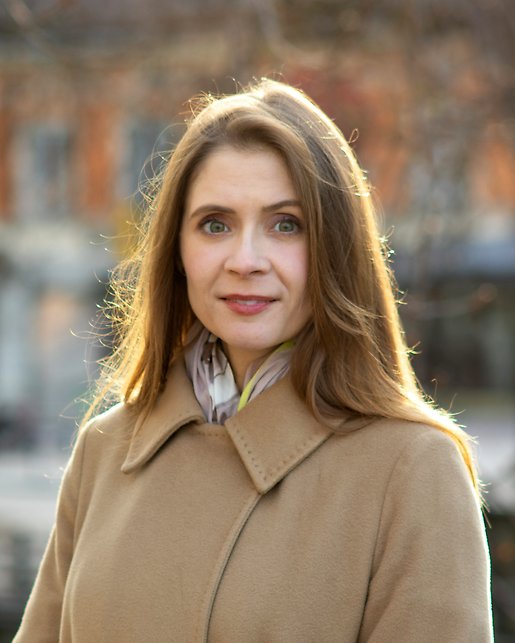
Hanne Fjelde

Photo: Mikael Wallerstedt

Previous

Knut and Alice Wallenberg FoundationRiksbankens Jubileumsfond

For questions about the project or enquiries about research collaboration:

hanne.fjelde@pcr.uu.se
Photo credits

Gothenburg march: Carl Ridderstråle · CC BY-SA 4.0 · Cropped and displayed in grayscale.

Riot police, Rennes, 2023: ev / Unsplash · Unsplash License · Cropped and displayed in grayscale.

Swedish ballot box, Brastad, 2026: W.carter / Wikimedia Commons · CC BY 4.0 · Cropped and displayed in grayscale.

Political graffiti: Brian Wertheim / Unsplash · Unsplash License · Cropped and displayed in grayscale.